Southern Style Collard Greens are slow simmered in a deeply seasoned broth that gives every bite real down-home flavor, the kind that transports you straight into Mamaw’s kitchen. A good mess of slow simmered collards has been a pillar of Southern table fare for generations, and as someone with Southern roots, it is the kind of food that just tastes like home. Smoky, savory, tangy, and rich, these greens soak up a flavorful pot liquor that turns simple ingredients into something unforgettable, and this recipe will show you how to bring that warmth and nostalgia to your own kitchen, step by step.

About This Recipe
Collard greens show up in kitchens all across the South, but their deepest roots trace back to African American and Gullah Geechee communities, where slow-simmered greens became a cornerstone of soul food cooking. Variations stretch from the Lowcountry to the Appalachian foothills, each region adding its own touch to the pot. This recipe reflects the style I grew up with, while honoring the traditions that shaped the dish long before it reached modern Southern tables.

Ingredients for Collard Greens
- 1 pound thick-cut bacon ends
- 1 smoked ham hock
- 1 large yellow onion, diced
- 4 cloves minced garlic
- 1 teaspoon crushed red pepper flakes
- 2 tablespoons hot sauce (adjust to taste)
- 2 tablespoons apple cider vinegar
- 4–6 cups chicken stock
- 2–3 pounds fresh collard greens (roughly 3 bunches)
- Salt and pepper to taste

Build the Pot Liquor
We call it potlikker round here, but the folks at Google seem as lost as last year’s Easter egg decoding elegant Appalachian prose. I reckon we gotta call it pot liquor for them Yankees. Bless their heart.
The soul of good collard greens starts with the pot liquor, the deeply seasoned broth that gives the greens their signature flavor.

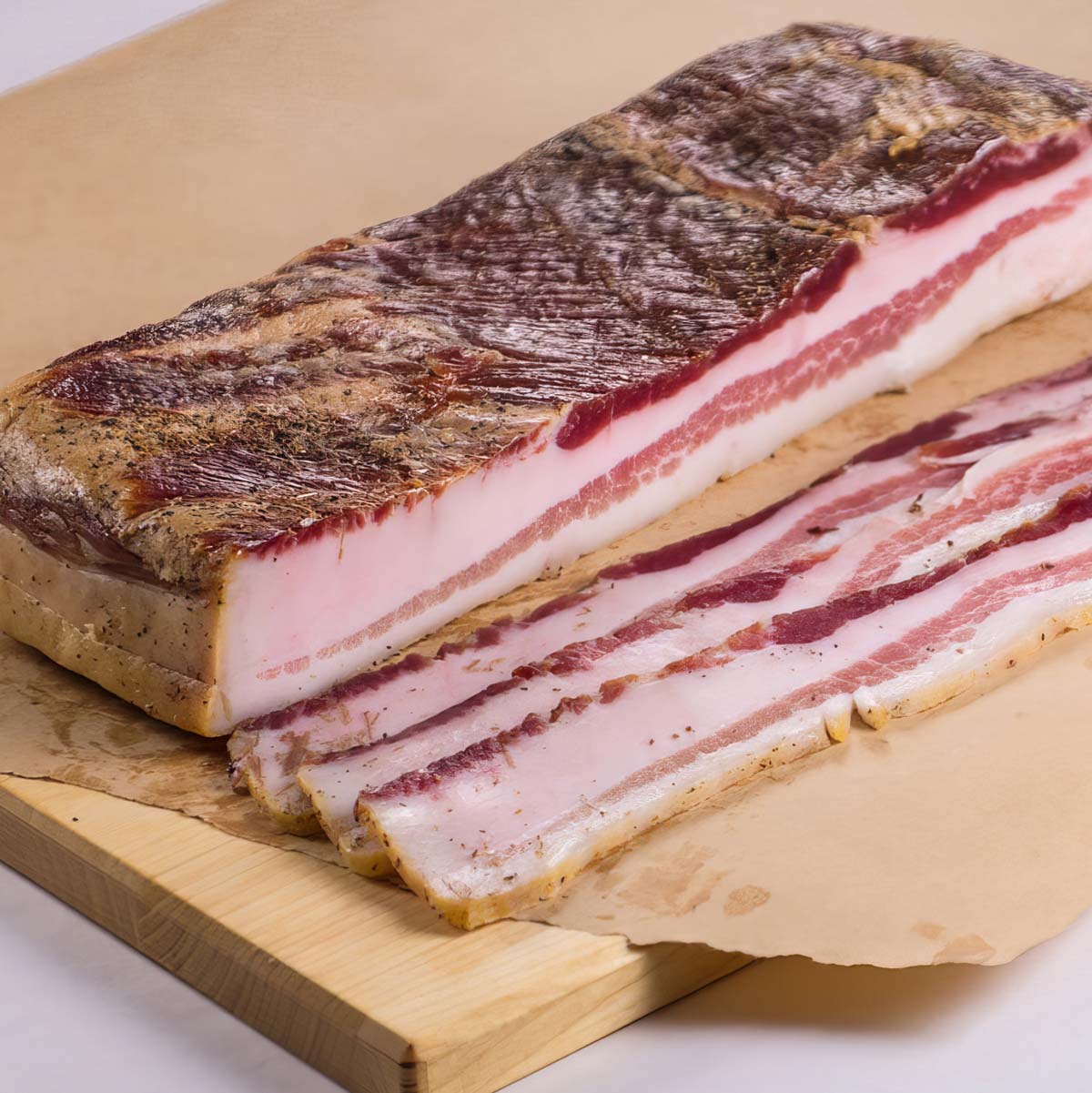
Artisan Bacon for the Base
For this recipe I like to use hearty chunks of bacon ends instead of thin slices. On the weeks when my homemade bacon stash runs low, I grab Broadbent bacon ends. They are dry cured, small batch, and loaded with deep, smoky flavor that puts grocery store bacon to shame. When a company can sell state champion hams for ten million dollars at charity auctions, you can imagine how good their bacon is. Those bacon ends melt into the pot liquor and bring the kind of richness that makes the whole dish shine.


Add the Aromatics
Once the bacon has rendered and you have some good fat in the bottom of the pot, add your diced onion. Let the onions cook low and slow until they turn a soft golden brown. This step builds a sweeter, deeper base flavor and keeps the pot liquor from tasting sharp or raw.
When the onions reach that golden stage, stir in the minced garlic. Let it cook for about 30 seconds, just long enough to bloom in the hot fat. Adding garlic too early will burn it and turn it bitter, so giving it a quick sauté at the end keeps the flavor clean and rich.

Add Heat and Tang
Stir in a pinch of crushed red pepper and a splash of your favorite hot sauce. This adds a gentle kick that brings the whole dish together.
Next, add a shot of apple cider vinegar. The acidity brightens the broth and balances the richness of the pork.


Add the Ham Hock and Stock
Next comes the smoked ham hock. You can skip it if you have to, but I never do. Broadbent’s hocks carry the same heritage flavor as those ten million dollar hams they are famous for, and they make some of the best pot liquor you will ever taste.
Leftover smoked turkey necks or bones make a great option too. Any time I smoke a turkey, I set those bones aside, because they turn a pot of collards into something worth bragging about. You can use the carcass or scraps from my smoked turkey recipe here.
Nestle your hock or turkey bones into the pot and pour in enough chicken stock to cover the ingredients. Give everything a good stir and bring it to a gentle simmer. Let the pot liquor bubble away for about two hours, or until the meat is tender and falling apart.


Prepare the Collard Greens
Wash Thoroughly
Collards grow close to the ground, and those big, crinkled leaves are magnets for sand, soil, and whatever the wind blew through the field that day. A quick rinse in the sink will not cut it.
Fill your largest bowl or clean sink with cold water, then dunk the leaves and swish them around like you mean it. Let the grit sink to the bottom, lift the greens out, drain the water, and repeat.
It often takes three good washes before the water runs clean, sometimes more if you bought them fresh from a farm stand. Skipping this step is the fastest way to end up with gritty greens, and nobody wants to chew sand at Sunday supper.

Remove the Stems
Fold each leaf in half and pull the thick stem away. Some cooks leave the ribs in, but I prefer the final dish with nothing but tender greens. If you decide to chop them up, ribs and all, just keep in mind they take longer to soften and may need extra simmering time.

Roll and Slice
Stack a handful of leaves, roll them up like a big ol’ cigar, and slice them into long ribbons. This helps them cook evenly and gives the greens their classic Southern look.

Cook the Greens
Once the pot liquor is ready, add the greens. The mixture will look overfilled at first, but the greens wilt down fast. Keep folding them into the hot broth as they soften, and everything will settle within a few minutes.
Stir, cover, and simmer for another two hours, or until the greens reach your preferred texture. I like a bit of bite left in mine, but if you prefer them soft and silky, let them go a little longer.
Taste and adjust the seasoning. The bacon and ham hock usually provide plenty of salt, but you may want to add pepper.


Serve
Once the greens are tender and the pot liquor has developed that deep, smoky flavor, they are ready. Serve the collards in generous portions, ladling plenty of pot liquor over the top so the greens stay glossy and rich. A warm piece of cornbread on the side is the traditional partner, but these greens play well with anything from roasted chicken to a simple weeknight meal.

FAQ for Collard Greens
Why do my collard greens taste bitter?
Bitterness usually means the greens didn’t cook long enough. Collards need a slow simmer so the tough fibers break down and the flavor softens. Removing the stems helps, but even if you leave them in, a gentle, extended simmer in well-seasoned pot liquor will mellow out any sharpness.
How long should collard greens cook?
Most collards need 1½ to 2 hours to get tender. If you include the ribs or your greens are particularly thick or mature, expect to add a little extra simmering time.
Do I have to remove the stems?
No, but the stems take longer to soften. If you decide to chop them up, ribs and all, just keep in mind they take longer to get tender and may need extra simmering time.
How do you get grit out of collard greens?
Wash them in several rounds of cold water. Dunk and swish the leaves, lift them out, drain the water, and repeat until no sand settles on the bottom. Most bunches of collards need three washes before the water runs clear.
Can I make collard greens without pork?
Yes. Smoked turkey wings, necks, or drums work extremely well and still give you that deep, smoky flavor. For a vegetarian version, use vegetable stock and add smoked paprika for richness.
Can I make collard greens ahead of time?
Absolutely. Collard greens often taste even better the next day after the flavors have had time to develop. Store them with plenty of pot liquor and reheat gently on the stovetop.
Can I freeze collard greens?
Yes. Freeze them fully cooked and covered in pot liquor. They thaw and reheat beautifully and keep their flavor and texture.
What’s the difference between collard greens and mustard or turnip greens?
Collards are sturdier and need a longer cooking time, with a milder, earthier flavor. Mustard and turnip greens cook faster and taste sharper and more peppery. Many Southern cooks mix all three for a deeper, more complex pot.
If you’re ready to bring a true Southern classic to your table, these collard greens will do it. Once you’ve prepped and simmered everything low and slow, the pot liquor, smoky pork, and tender greens come together into something simple and unforgettable. Watch the video below for a full walkthrough, then jump to the recipe card when you’re ready to cook.

Southern Style Collard Greens
Equipment
- Large Stock Pot or Dutch Oven
- Cutting board
- Chef’s knife
- Wooden spoon
- Tongs
- Large bowl or clean sink for washing greens
- measuring spoons
Ingredients
- 3 pounds fresh collard greens about 3 bunches
- 1 pound thick-cut bacons ends (or homemade bacon ends)
- 1 large yellow onion
- 4 cloves garlic, minced
- 1 teaspoon of crushed red pepper flakes I like to add more for some heat
- 4-6 cups chicken stock
- 2 tablespoon hot sauce adjust to taste
- 2 tablespoon apple cider vinegar
Instructions
- Cook the bacon ends in a large stock pot over medium heat until the fat renders and the pieces begin to brown.
- Add the onion and cook until the onions turn soft and golden.
- Stir in the garlic and cook for 30 seconds to release its aroma.
- Add the crushed red pepper, hot sauce, and apple cider vinegar. Stir well to combine.
- Place the ham hock into the pot and pour in enough chicken stock to cover it.Optional substitution: Leftover smoked turkey necks, wings, or bones also work beautifully. Use the carcass or scraps from my smoked turkey recipe: https://ilovemeat.com/smoked-turkey/
- Simmer the pot liquor for about 2 hours, or until the ham hock is tender and the broth is deeply flavored.
- Wash the collard greens in several changes of cold water until no grit remains.
- Remove the stems from each leaf.
- Roll the greens into a tight bundle and slice into thin ribbons.
- Add the greens to the pot once the pot liquor is ready. They will look overfilled at first but wilt quickly.
- Fold the greens into the broth as they soften, ensuring everything is evenly mixed.
- Simmer for another 2 hours or until the greens reach your desired tenderness.
- Season with salt and pepper to taste.
- Serve warm with plenty of pot liquor ladled over the greens.
Video
Notes
- For a pork-free version, use smoked turkey or vegetable stock with a pinch of smoked paprika.
- Collard greens often taste even better the next day. Save plenty of pot liquor for reheating.
- If your greens taste bitter, they likely need more simmering time.
- Adjust the heat and vinegar levels to taste, depending on how tangy or spicy you prefer your pot liquor.